Affidavit Sample Letters: A Complete Guide for Legal Clarity
Outline of the Article
- Affidavit Sample Letters: A Complete Guide for Legal Clarity
- What Is an Affidavit?
- 2.1. The Legal Backbone of Truth-Telling
- 2.2. Why Affidavits Matter in Everyday Life
- The Purpose of an Affidavit
- 3.1. Establishing Facts Without Courtroom Drama
- 3.2. Supporting Legal Claims and Procedures
- Common Types of Affidavits
- 4.1. Affidavit of Identity
- 4.2. Affidavit of Residence
- 4.3. Affidavit of Support
- 4.4. Financial Affidavit
- 4.5. Affidavit of Name Change
- Key Components of a Valid Affidavit
- 5.1. Statement of Truth
- 5.2. Sworn and Signed Under Oath
- 5.3. Notarization: The Legal Seal of Approval
- How to Write an Affidavit: Step-by-Step Guide
- 6.1. Start with Your Personal Information
- 6.2. Clearly State the Facts
- 6.3. Avoid Emotions, Stick to the Facts
- 6.4. Sign and Notarize
- Affidavit Sample Letters: Templates for Real-Life Use
- 7.1. Sample Affidavit of Residence
- 7.2. Sample Affidavit of Support
- 7.3. Sample Affidavit of Name Change
- Common Mistakes to Avoid When Drafting an Affidavit
- 8.1. Including Hearsay or Opinions
- 8.2. Forgetting to Notarize
- 8.3. Using Vague Language
- When Do You Need an Affidavit?
- 9.1. Legal Disputes and Court Filings
- 9.2. Immigration and Visa Processes
- 9.3. Financial and Property Matters
- The Role of Notaries in Affidavit Validation
- 10.1. Why Notarization Is Non-Negotiable
- 10.2. How to Find a Notary Near You
- Digital Affidavits: Are They Legal?
- 11.1. Remote Online Notarization (RON)
- 11.2. Legal Acceptance Across States
- Can You Modify an Affidavit After Signing?
- 12.1. The Risks of Altering Sworn Statements
- 12.2. Proper Way to Correct Mistakes
- Legal Consequences of a False Affidavit
- 13.1. Perjury: More Than Just a Bad Lie
- 13.2. Fines, Jail Time, and Ruined Credibility
- Frequently Asked Questions (FAQs)
- Conclusion
Affidavit Sample Letters: A Complete Guide for Legal Clarity
Let’s be honest—legal documents can feel like they’re written in another language. One minute you’re just trying to prove where you live, and the next, you’re knee-deep in legalese about sworn statements and notarization. But here’s the good news: affidavits don’t have to be scary. In fact, once you understand what they are and how to use them, they become one of the most powerful tools in your legal toolkit.
So, whether you’re dealing with a landlord, immigration paperwork, or a family court case, this guide will walk you through everything you need to know about affidavit sample letters, including real-life templates and expert tips to keep you on the right side of the law.
What Is an Affidavit?
An affidavit is basically a written statement you swear is true under oath. Think of it as your word, but with legal weight behind it. Unlike casual letters or emails, an affidavit is a formal document that can be used as evidence in court or submitted to government agencies.
The Legal Backbone of Truth-Telling
Imagine you’re telling a judge, “Yes, I’ve lived at this address for five years,” but instead of saying it in court, you write it down, sign it, and have it notarized. That’s an affidavit. It’s your sworn testimony on paper. No witnesses needed, no courtroom drama—just clear, factual statements backed by your honor and the law.
Why Affidavits Matter in Everyday Life
You might not realize it, but affidavits pop up more often than you think. Need to prove you’re the legal guardian of a child? Affidavit. Applying for a visa and need to show financial support? Affidavit. Even something as simple as confirming your address for a school enrollment might require one. They’re like the quiet heroes of the legal world—simple, but essential.
The Purpose of an Affidavit
So why do we even need affidavits? Can’t we just tell the truth verbally?
Establishing Facts Without Courtroom Drama
Courts and institutions love paperwork. They want proof—something tangible they can file and reference. An affidavit lets you present facts clearly and concisely without needing to appear in court. It’s like leaving a paper trail of your truth.
Supporting Legal Claims and Procedures
Whether you’re filing for divorce, claiming inheritance, or applying for a passport after losing your ID, affidavits support your claims. They’re often required when original documents are missing or when someone needs to verify your statements officially.
Common Types of Affidavits
Not all affidavits are the same. Different situations call for different forms. Here are the most common types you might encounter:
Affidavit of Identity
Lost your ID and need to prove who you are? This affidavit helps verify your identity when official documents aren’t available. It’s often used after theft or loss of personal documents.
Affidavit of Residence
Need to prove you live at a certain address? This one’s a go-to for school enrollments, voter registration, or housing applications. It’s a simple statement confirming your current place of residence.
Affidavit of Support
Commonly used in immigration cases, this document shows that someone (usually a family member) will financially support an immigrant. It’s a promise, backed by law, that the sponsor can cover living expenses.
Financial Affidavit
Used in divorce or child support cases, this affidavit details your income, assets, debts, and monthly expenses. Courts rely on it to make fair decisions about alimony or custody.
Affidavit of Name Change
Going through a legal name change? This affidavit formally declares your new name and is often submitted with court petitions or updated identification requests.
Key Components of a Valid Affidavit
Not every written statement counts as an affidavit. To be legally valid, it must include specific elements.
Statement of Truth
The core of any affidavit is a clear, factual statement. It should answer: Who? What? When? Where? And how? No opinions, no exaggerations—just the facts.
Sworn and Signed Under Oath
You’re not just signing your name—you’re swearing that everything you’ve written is true. This transforms your statement from casual to legally binding.
Notarization: The Legal Seal of Approval
Here’s the non-negotiable part: your affidavit must be notarized. A notary public verifies your identity and witnesses your signature. Without this step, your affidavit is just a piece of paper.
How to Write an Affidavit: Step-by-Step Guide
Writing an affidavit doesn’t require a law degree—just clarity and honesty. Follow these steps:
Start with Your Personal Information
Begin with your full name, address, date of birth, and other identifying details. This establishes who you are and ensures there’s no confusion.
Clearly State the Facts
Use numbered paragraphs to present each fact. For example:
- I reside at 123 Main Street, Anytown, USA.
- I have lived at this address since January 1, 2020.
Keep it chronological and straightforward.
Avoid Emotions, Stick to the Facts
This isn’t the place for drama. Saying, “I was devastated when they denied my application” won’t help. Instead, stick to: “My application was denied on March 5, 2023.”
Sign and Notarize
Once written, sign and date the document in the presence of a notary. They’ll add their seal and signature, making it official.
Affidavit Sample Letters: Templates for Real-Life Use
Let’s get practical. Below are three ready-to-use affidavit samples you can adapt for your needs.
Sample Affidavit of Residence
AFFIDAVIT OF RESIDENCE
I, [Your Full Name], residing at [Your Address], solemnly swear and affirm that I have been a resident of this address since [Date of Move-In].
I confirm that this is my primary and permanent residence. I am not claiming residency at any other location.
This affidavit is made for the purpose of [e.g., school enrollment, driver’s license application] and is true to the best of my knowledge.
Signed this ___ day of _______, 20
[Your Signature]
Notary Public:
[Notary Seal and Signature]
Sample Affidavit of Support
AFFIDAVIT OF FINANCIAL SUPPORT
I, [Your Full Name], currently employed as [Your Job Title] at [Company Name], with an annual income of $[Amount], hereby declare that I will provide full financial support to [Name of Person], who is applying for [e.g., U.S. visa].
I understand that this support includes housing, food, medical care, and other living expenses. I have sufficient income and assets to meet these obligations.
Signed under penalty of perjury this ___ day of _______, 20
[Your Signature]
Notary Public:
[Notary Seal and Signature]
Sample Affidavit of Name Change
AFFIDAVIT OF NAME CHANGE
I, [Old Full Name], born on [Date of Birth], currently residing at [Address], declare that I have legally changed my name to [New Full Name].
This change is not intended to defraud or avoid creditors. I will use my new name for all legal, financial, and personal matters.
I request all government and private institutions to update their records accordingly.
Signed this ___ day of _______, 20
[Your Signature]
Notary Public:
[Notary Seal and Signature]
Common Mistakes to Avoid When Drafting an Affidavit
Even small errors can render your affidavit useless. Here’s what to watch out for:
Including Hearsay or Opinions
Saying, “My neighbor told me the car was stolen” isn’t helpful. Only include what you personally know or witnessed.
Forgetting to Notarize
No notary? No validity. It’s that simple. Double-check this step before submitting.
Using Vague Language
Avoid phrases like “sometime last year” or “around that area.” Be specific: dates, times, and exact locations matter.
When Do You Need an Affidavit?
You might need an affidavit more often than you think. Here are common scenarios:
Legal Disputes and Court Filings
Courts often require affidavits to support motions, appeals, or evidence submissions. They help streamline the process without requiring everyone to appear in person.
Immigration and Visa Processes
From proving family relationships to showing financial stability, affidavits are staples in immigration paperwork. The U.S. Citizenship and Immigration Services (USCIS), for example, frequently requires Affidavits of Support.
Financial and Property Matters
Buying property, refinancing a loan, or handling estate claims? Affidavits can verify ownership, income, or heirship when documents are missing.
The Role of Notaries in Affidavit Validation
Notaries aren’t just stamp-happy professionals—they play a crucial role in the legal system.
Why Notarization Is Non-Negotiable
A notary confirms your identity and ensures you’re signing willingly. This prevents fraud and gives the document legal credibility.
How to Find a Notary Near You
Banks, post offices, libraries, and UPS stores often offer notary services. You can also use online platforms like Notarize or mobile notary apps. Just make sure they’re licensed in your state.
Digital Affidavits: Are They Legal?
With remote work and digital services on the rise, can you sign an affidavit online?
Remote Online Notarization (RON)
Yes—many states now allow Remote Online Notarization. You video-call a notary, show your ID, and sign electronically. It’s fast, secure, and legally binding in participating states.
Legal Acceptance Across States
While RON is growing, not all states accept it uniformly. Always check the requirements of the institution requesting the affidavit. When in doubt, go the traditional route.
Can You Modify an Affidavit After Signing?
Once it’s signed and notarized, your affidavit is set in stone—literally.
The Risks of Altering Sworn Statements
Crossing out a word or adding a note? That could invalidate the entire document or even lead to perjury charges.
Proper Way to Correct Mistakes
If you made an error, draft a new affidavit. You can reference the original one and explain the correction. Better safe than sorry.
Legal Consequences of a False Affidavit
Let’s get serious for a second: lying on an affidavit is a big deal.
Perjury: More Than Just a Bad Lie
Perjury is the act of lying under oath. It’s a criminal offense, plain and simple. You’re not just misleading a clerk—you’re deceiving the legal system.
Fines, Jail Time, and Ruined Credibility
Penalties vary by state, but they can include hefty fines or even jail time. Plus, your credibility takes a hit—forever. Judges and agencies keep records. One false affidavit can haunt you for years.
Conclusion
Affidavits might seem intimidating at first, but they’re really just about honesty on paper. Whether you’re proving where you live, supporting a loved one’s visa application, or navigating a legal process, a well-written, properly notarized affidavit can make all the difference.
Use the templates above as a starting point, avoid common pitfalls, and always get that notary stamp. With the right approach, you can handle affidavit requirements confidently—no law degree required.
Remember, the power of an affidavit lies not in its complexity, but in its truth. So speak clearly, write honestly, and let the law do the rest.
Frequently Asked Questions (FAQs)
What happens if I forget to notarize my affidavit?
It becomes invalid. Most institutions won’t accept it without a notary’s signature and seal. You’ll need to sign it again in front of a notary.
Can I write an affidavit on plain paper?
Yes, as long as it’s typed or clearly handwritten, includes all necessary details, and is properly notarized. Fancy paper isn’t required.
Do affidavits expire?
Generally, no—but their relevance might. For example, a residence affidavit from five years ago won’t prove current address. Always check the recipient’s requirements.
Can someone else sign an affidavit for me?
No. Only you can swear to facts about your own life. Signing on someone else’s behalf is fraud.
Is a notarized affidavit the same as a sworn statement?
Essentially, yes. Both are sworn under oath, but “affidavit” is the formal term used in legal contexts. Notarization confirms the oath was taken.
Affidavit Sample Letters form
Summary
Download Sample Affidavit Sample Letters from our site.Obtain from different filetype for instance Otd, Microsoft Docx, Rtf, Pdf, Micrsoft Document, Google document, Zip.
User Review
( vote)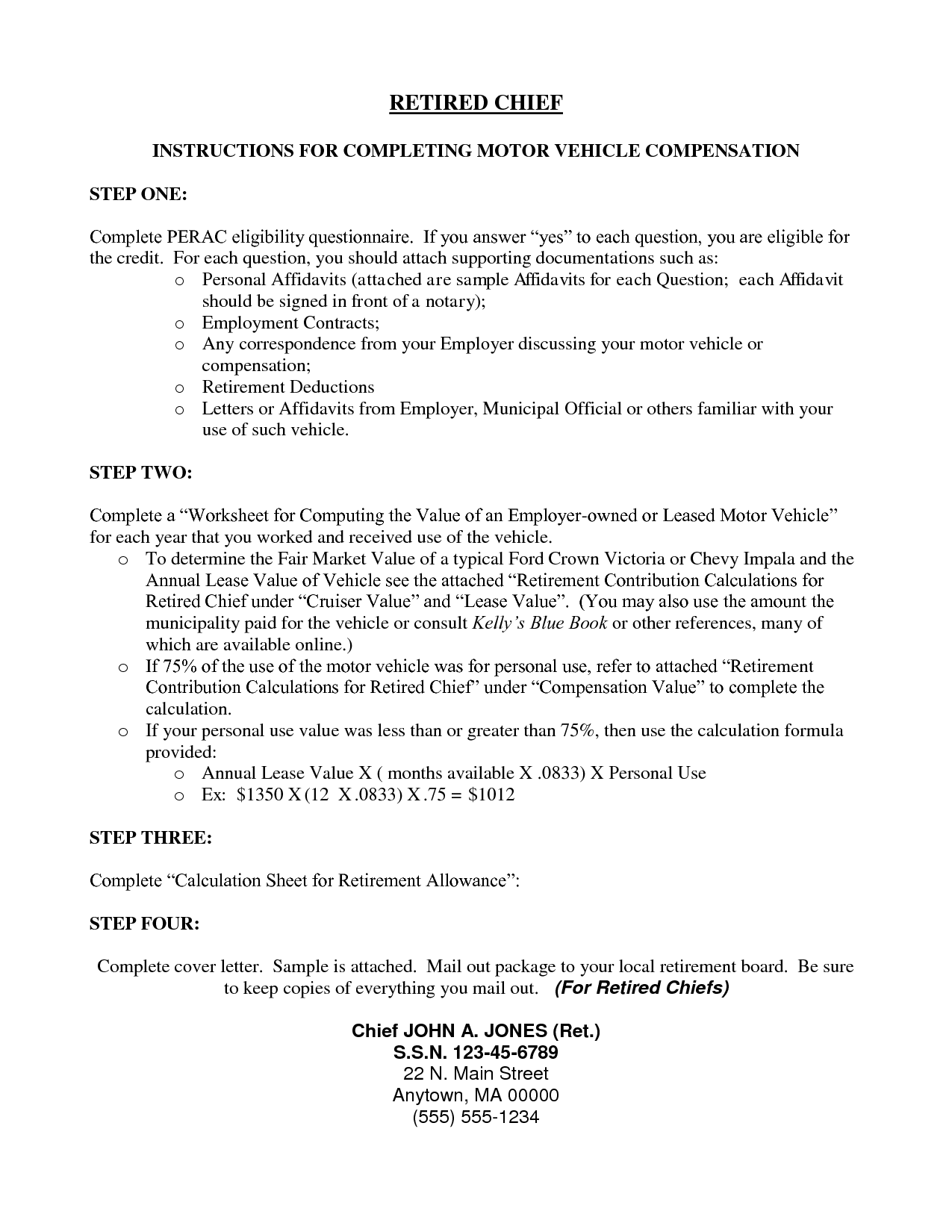
Sample Affidavit Letters

Sample Affidavit Letters

Sample Affidavit Letters
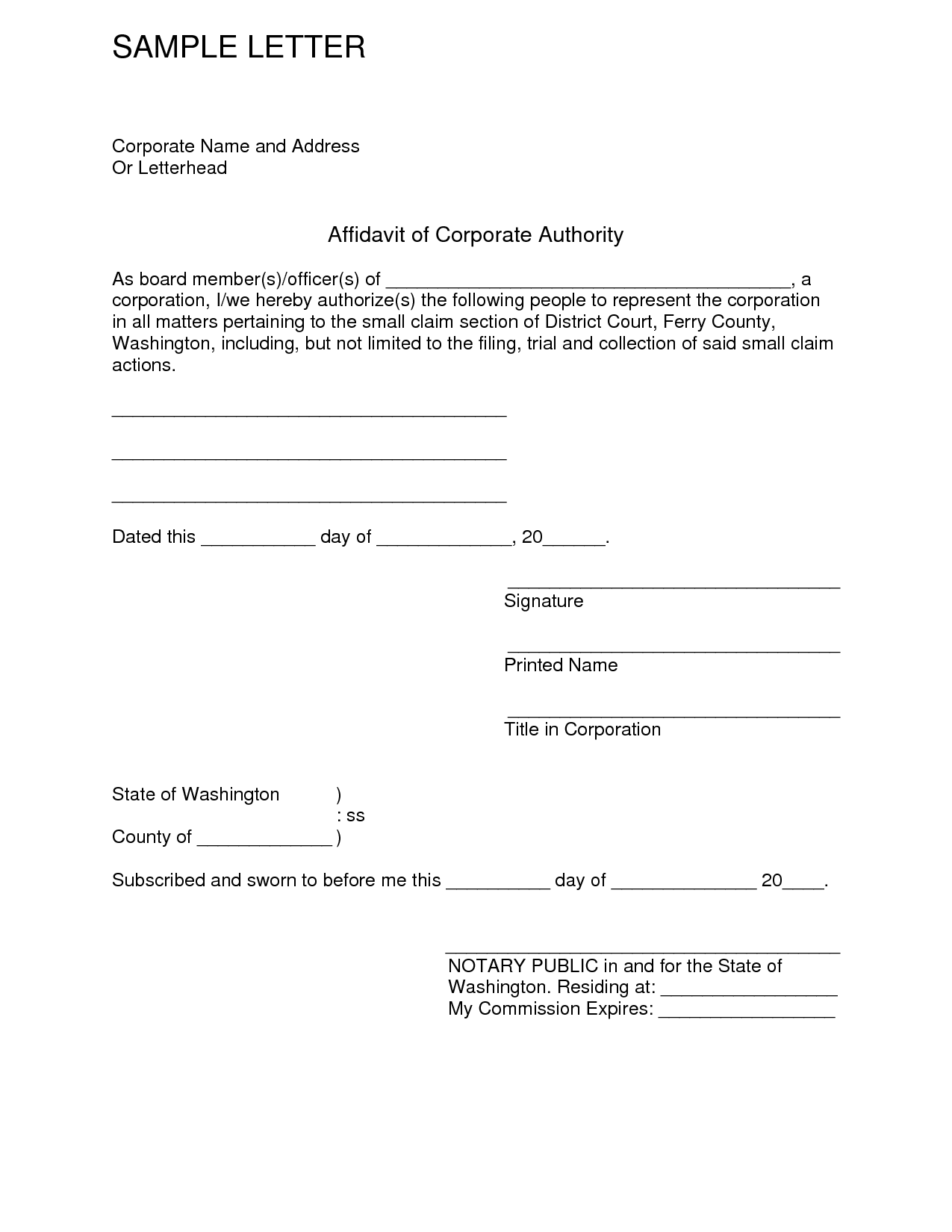
Sample Affidavit Letters
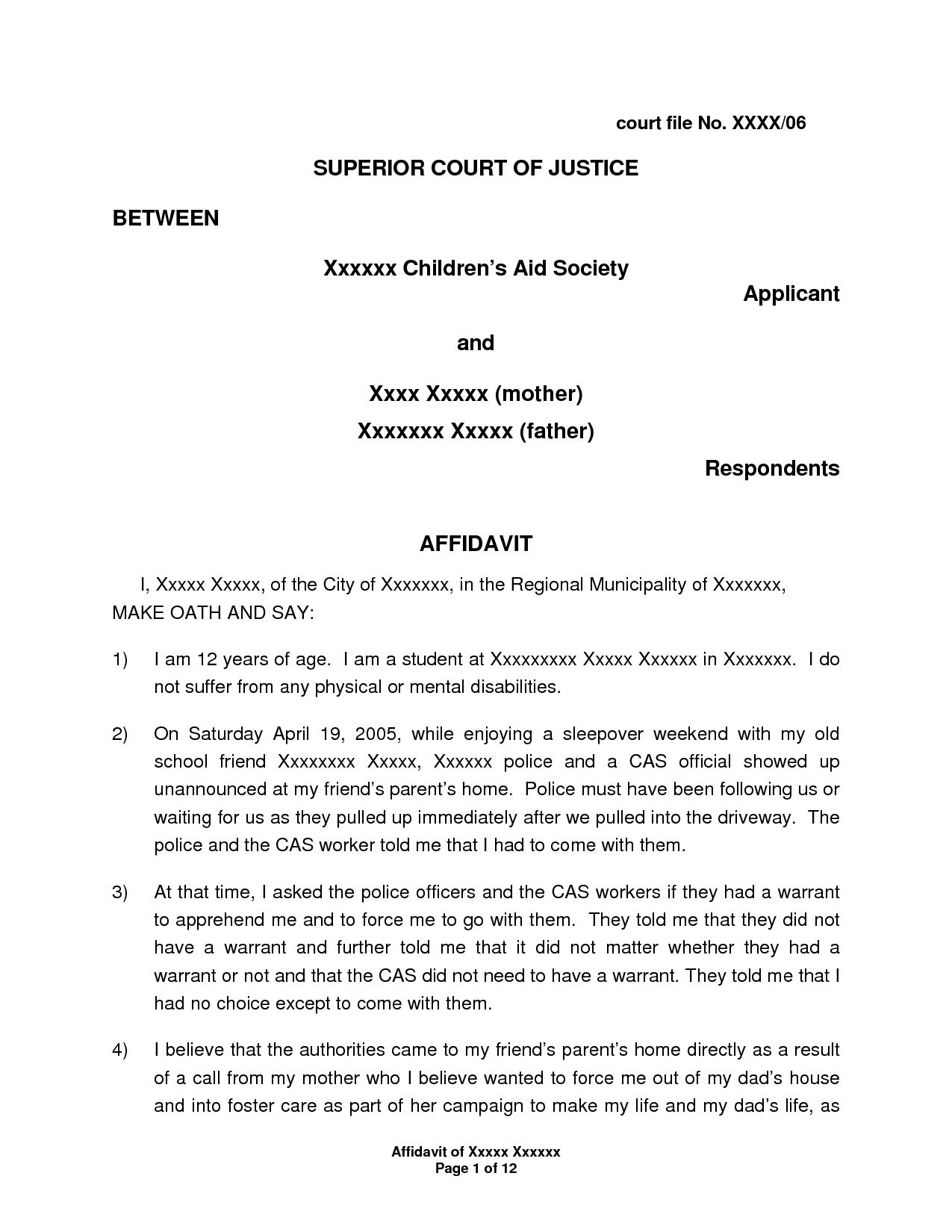
Sample Affidavit Letters
DOWNLOAD ON GOOGLE DOC
DOWNLOAD ZIP FILE
DOWNLOAD RTF FILE
DOWNLOAD PDF FILE
DOWNLOAD ODT FILE
DOWNLOAD DOCX FILE
